AI Algorithms Shape Casino Promotions Through Player Behavior Analysis on Desktop and Mobile Platforms
Leon Schröder · Jun 18, 2026
AI Algorithms Shape Casino Promotions Through Player Behavior Analysis on Desktop and Mobile Platforms
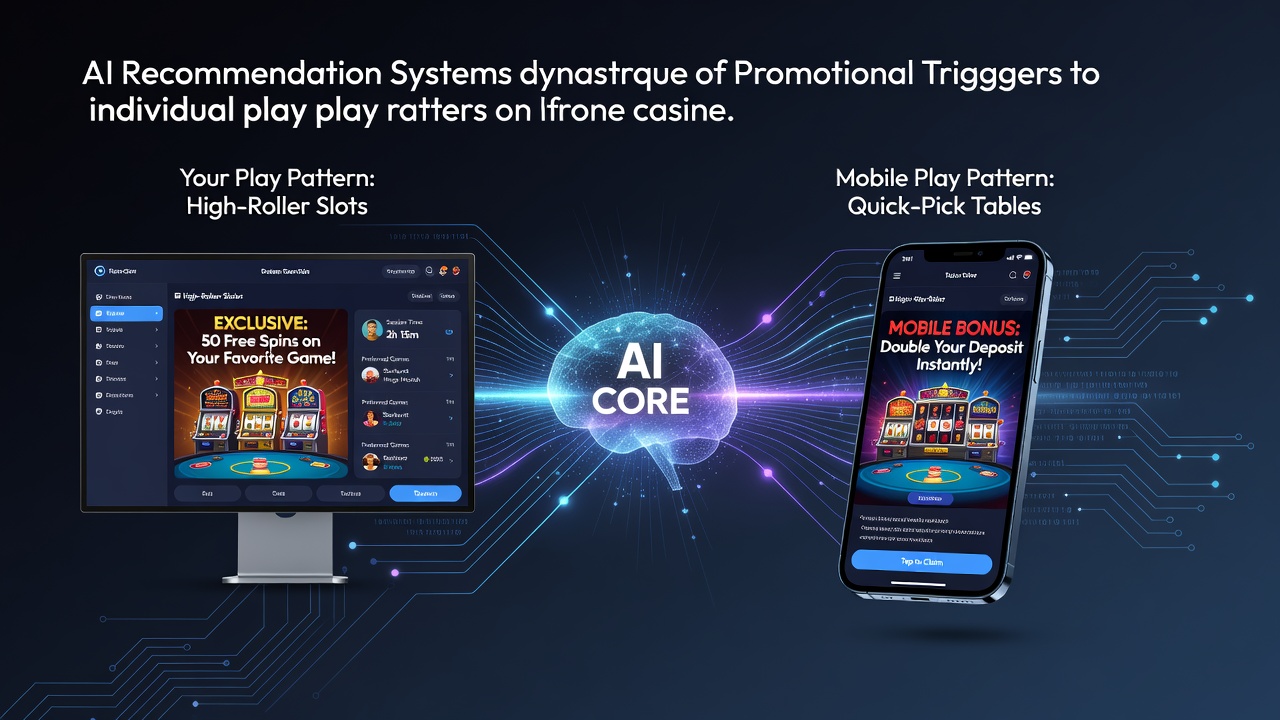
Recommendation engines powered by machine learning now process vast datasets from individual gambling sessions to determine when and how promotional offers reach players, with distinctions emerging between desktop users who tend toward extended sessions and mobile participants who engage in shorter, more frequent interactions. Data collection begins at login, where systems log metrics including bet frequency, game category preferences, average wager amounts, and session duration before applying clustering algorithms that segment users into behavioral profiles.
Data Inputs Driving Personalized Triggers
Play patterns feed directly into predictive models that forecast likelihood of continued engagement or churn, allowing operators to time offers such as deposit matches or free spin bundles with precision. Desktop interfaces often capture longer dwell times on strategy-heavy titles like poker or blackjack variants, whereas mobile data streams emphasize quick spins on slots during commutes or breaks, and these differences prompt separate trigger thresholds for each platform. Research from the University of Nevada, Reno indicates that cross-device tracking improves accuracy in identifying high-value players by combining telemetry from both environments into unified profiles.
Algorithms weigh factors like time since last deposit, recent win-loss ratios, and device-specific engagement rates to decide on interventions, for instance sending a mobile push notification for a limited-time reload bonus after detecting a pattern of afternoon sessions under 15 minutes. Desktop users might receive in-browser banners highlighting loyalty point multipliers following multi-hour sessions on table games, reflecting observed tendencies toward deeper immersion on larger screens.
Platform-Specific Adaptation Mechanisms
Desktop environments support richer visual triggers such as pop-up overlays or sidebar recommendations that appear during natural pauses in play, while mobile systems prioritize lightweight notifications and in-app carousels to avoid disrupting touch-based navigation. Studies conducted by the Australian Institute of Family Studies reveal that mobile players respond more readily to time-sensitive offers triggered by geolocation data combined with historical play frequency, whereas desktop promotions lean on accumulated session statistics for reward escalation. These systems update in real time as new data arrives, adjusting offer values upward for users who demonstrate consistent patterns across both interfaces.
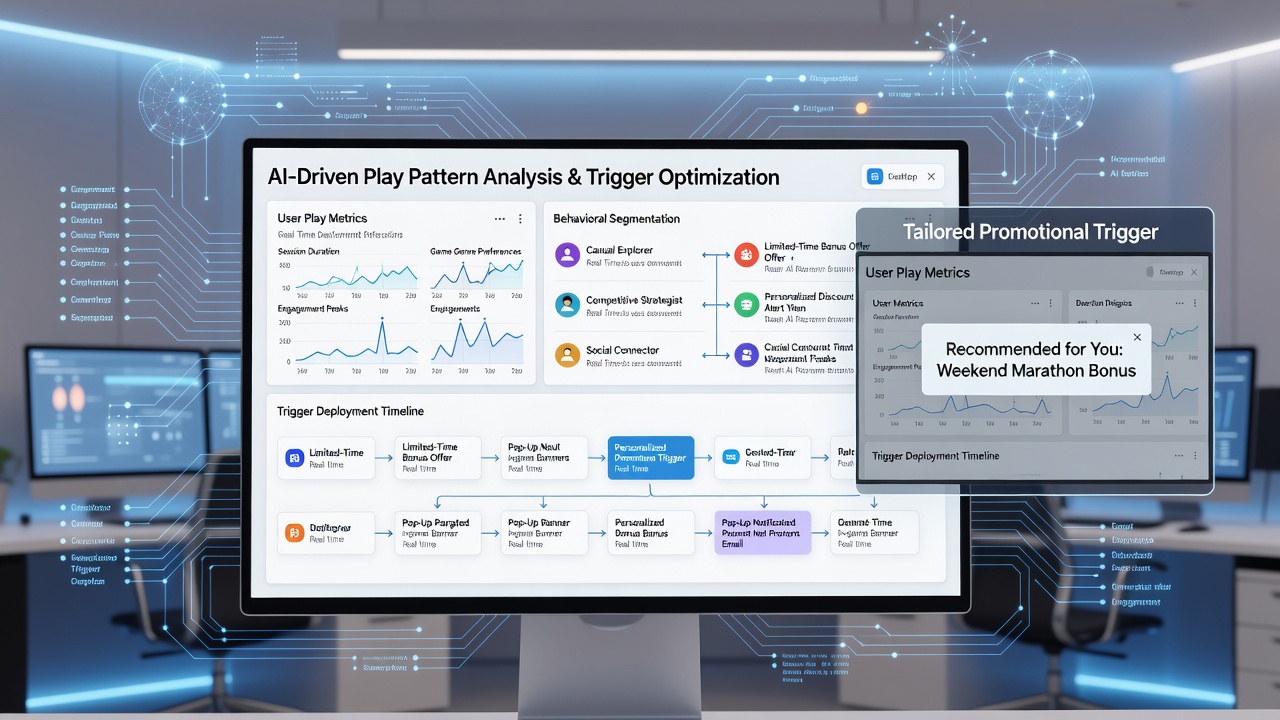
Integration with payment histories further refines targeting, as algorithms correlate deposit methods and timing with play intensity to suggest bonuses that align with upcoming session windows. One documented approach involves reinforcement learning loops where models test variations of trigger timing on subsets of users, then scale successful variants across broader cohorts while maintaining separation between desktop and mobile cohorts to account for interface constraints.
Regulatory Context and Implementation Trends as of June 2026
European regulators including the Malta Gaming Authority have issued guidelines requiring transparency in how behavioral data informs promotional decisions, prompting operators to log decision trees that link specific play events to triggered offers. In North America, state-level oversight bodies track similar practices through mandatory reporting on responsible gaming features embedded within recommendation engines. Figures from industry reports compiled in early 2026 show increased adoption of federated learning techniques that allow model training across devices without centralizing raw player data, addressing privacy concerns while preserving personalization accuracy.
Operators report deploying A/B testing frameworks that isolate device type as a variable, measuring uplift in deposit rates or session extensions when triggers match observed patterns. Mobile systems, for example, often incorporate battery level or connectivity signals into decision logic to avoid sending resource-intensive offers during suboptimal conditions, a refinement less relevant on desktop hardware.
Future Directions in Cross-Platform Modeling
Developments in graph neural networks enable better mapping of player journeys that span desktop and mobile within single accounts, identifying transition points where promotional needs shift. Data aggregated through these models highlights correlations between device switching and changes in bet sizing or game selection, informing hybrid trigger strategies that maintain consistency across environments. Organizations such as the International Association of Gaming Regulators have noted rising interest in standardized metrics for evaluating recommendation system fairness, particularly regarding equitable distribution of offers based on verified play history rather than demographic proxies.
Implementation continues to evolve with advances in edge computing that process certain personalization decisions locally on mobile devices before syncing with central servers, reducing latency for time-critical promotions while desktop systems retain full cloud-based processing for complex pattern recognition tasks.
Conclusion
AI recommendation systems continue integrating multi-device play data to calibrate promotional timing and content, producing differentiated approaches that reflect distinct usage rhythms on desktop versus mobile casino interfaces. Ongoing refinements in algorithmic transparency and cross-platform modeling support more precise alignment between observed behaviors and delivered incentives within regulated markets.