Algorithmic Patterns Guiding Game Choices in Cross-Device Regulated Gambling Systems
Leon Schröder · Aug 4, 2026
Algorithmic Patterns Guiding Game Choices in Cross-Device Regulated Gambling Systems
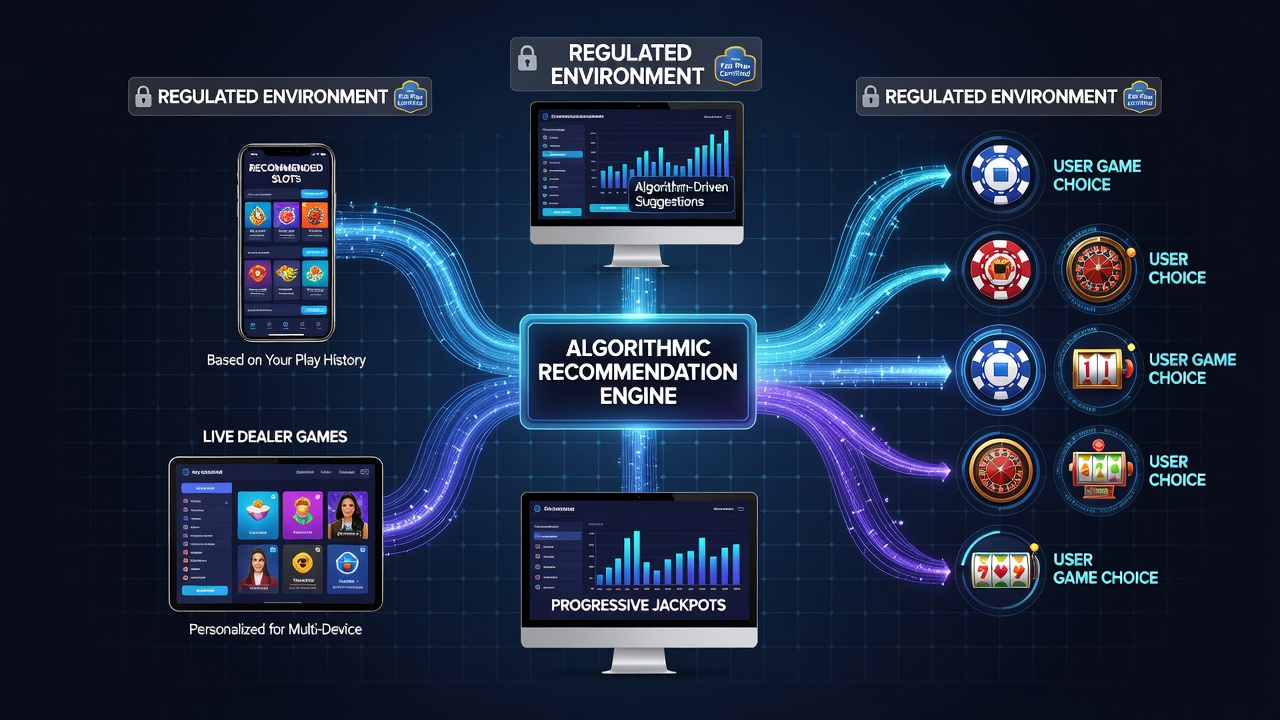
Recommendation engines now sit at the center of how players encounter games when they switch between phones, tablets, and desktop terminals inside licensed environments, and researchers track these pathways through large-scale behavioral datasets collected across multiple jurisdictions. Platforms collect signals from session length, prior selections, time of day, and device type, then feed that information into models that surface specific titles at the moment a user opens the lobby or switches screens. Studies conducted through 2025 and into August 2026 show consistent shifts in selection frequency once these systems activate, with certain categories rising in popularity while others recede even when marketing spend remains flat.
Core Mechanics of Recommendation Systems
Operators deploy collaborative filtering alongside content-based models that weigh game attributes such as volatility, theme, and payout frequency against individual histories, and these engines update in near real time as users move from one device to another. When a player begins a session on mobile during a commute and later continues on desktop at home, the system reconciles the two contexts by adjusting the weight given to recent activity versus longer-term preferences. Data from platform telemetry indicates that cross-device continuity features increase the probability that a recommended title receives clicks within the first three minutes of a new session by measurable margins compared with non-personalized displays.
Observed Shifts in Selection Behavior
Analyses of anonymized logs from regulated markets reveal that algorithmic prompts steer users toward games already popular within similar demographic clusters, while titles outside those clusters appear less often regardless of objective performance metrics. One longitudinal review covering several European and North American operators found that slot games promoted through personalized carousels captured roughly twenty-eight percent more plays than identical titles shown in standard lobby order during the same period. Table-game selections showed smaller but still detectable lifts when recommendation banners highlighted live-dealer variants previously played on another device. These patterns hold after controlling for bonus offers and seasonal events, suggesting the interface layer itself contributes to the outcome.

Regulatory Oversight Across Jurisdictions
Regulators in multiple regions require operators to document how recommendation logic operates and to demonstrate that outputs do not disproportionately favor house-edge-heavy products without clear disclosure. The Canadian provincial gaming authorities publish periodic transparency summaries that include sample recommendation audits, while Australia's state commissions collect similar metrics through mandatory reporting frameworks. Observers note that these requirements have prompted several large operators to maintain separate audit logs that record every recommendation shown, the context in which it appeared, and the subsequent player action. Such records allow authorities to verify compliance during routine inspections and to investigate complaints about perceived manipulation of choice architecture.
Device-Specific Interface Effects
Mobile interfaces typically present fewer simultaneous options and rely more heavily on swipeable recommendation rows, whereas desktop lobbies display denser grids that allow users to bypass suggested items more easily. Research teams tracking eye-movement data report that mobile users spend a higher proportion of their initial attention on the first carousel row, which algorithms populate first. Desktop sessions show greater variance because additional navigation elements compete for focus. When operators synchronize the same underlying model across both environments, selection convergence increases, yet residual differences tied to screen size and input method persist in the datasets examined through mid-2026.
Future Monitoring and Data Infrastructure
Industry working groups and academic consortia continue to develop shared frameworks for measuring recommendation impact while preserving player privacy through aggregated or differentially private outputs. These efforts include standardized metrics for exposure fairness, click-through differentials, and downstream playtime distribution. As more jurisdictions adopt real-money gambling frameworks that explicitly address digital interfaces, the volume of comparable cross-border data is expected to grow, enabling finer-grained mapping of how algorithmic choices interact with multi-device journeys. Current evidence already demonstrates measurable influence on selection distributions, and ongoing collection will clarify the magnitude and persistence of these effects under evolving regulatory conditions.
Conclusion
Mapping exercises conducted to date establish that algorithmic recommendations function as active mediators between available game libraries and individual decisions, with effects that vary by device context and regulatory setting. Continued documentation through operator logs, regulatory audits, and independent research will keep these mechanisms visible to stakeholders while supporting compliance with transparency obligations across licensed markets.