Decoding Interface Customization Effects on Promotion Uptake Across Handheld Dealer Sessions in Licensed Digital Venues
Drew Roth · May 30, 2026

Decoding Interface Customization Effects on Promotion Uptake Across Handheld Dealer Sessions in Licensed Digital Venues
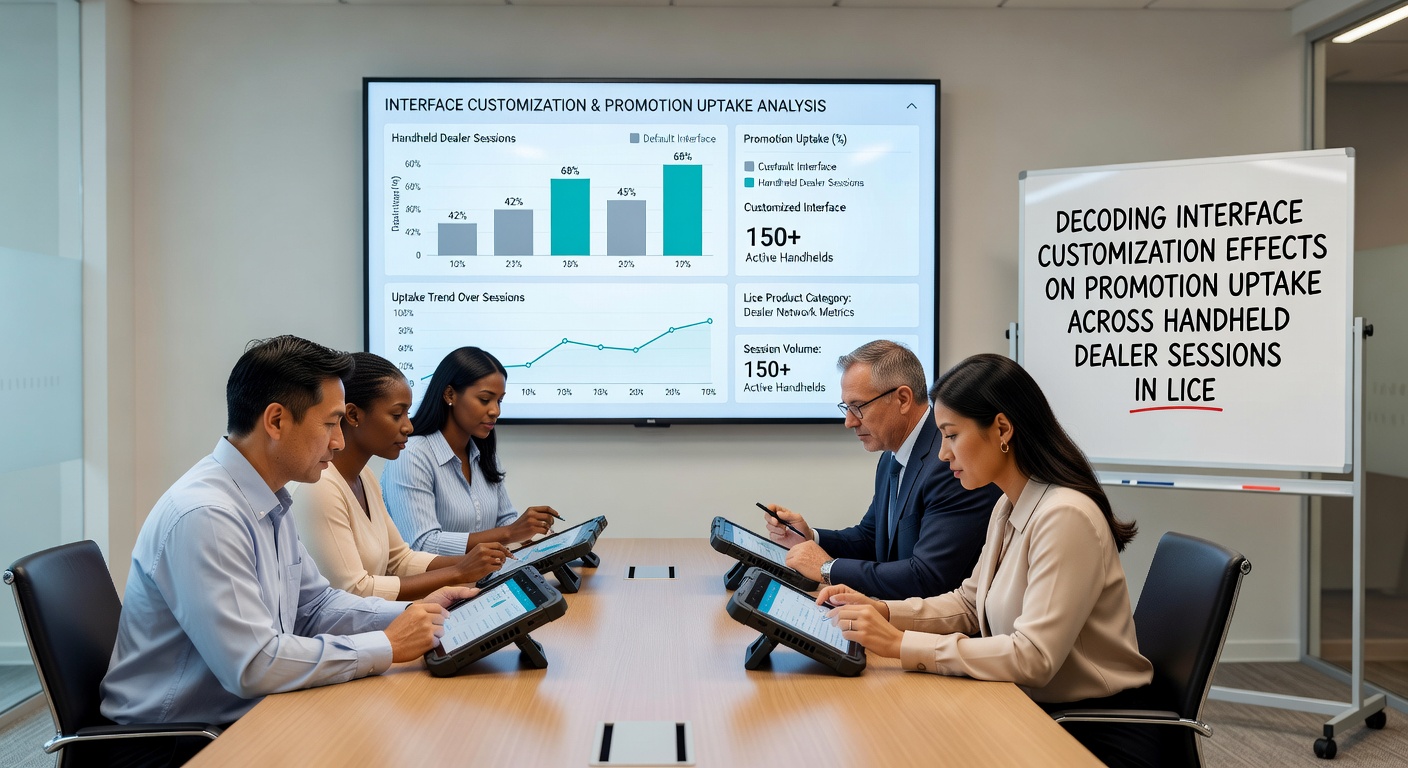
Interface customization in licensed digital venues shapes how players interact with promotions during handheld dealer sessions, where live dealer games run on mobile platforms across regulated markets. Data from industry reports indicate that players adjust elements like button placement, color schemes, and notification settings to match their preferences, which in turn influences the visibility and selection of bonus offers tied to table games or slots. Researchers tracking these patterns note that such adjustments often occur within the first few minutes of a session, setting the stage for whether promotional content gets noticed or overlooked.
How Customization Features Operate in Practice
Handheld dealer sessions allow users to tweak layouts through menus that control everything from chat window size to the prominence of promotion tabs, and these changes persist across multiple logins when accounts remain active. Studies conducted by academic teams at institutions in North America show that users who reposition promotion alerts closer to the main game view complete redemption steps at higher rates than those who leave defaults unchanged. Yet customization extends beyond visuals to include filter options that sort available promotions by expiration date or wager requirements, creating pathways that streamline uptake for those who apply them consistently.
Licensed operators in various regions integrate these tools to comply with local rules while collecting aggregated usage data that reveals preferences without identifying individuals. According to figures released by the Nevada Gaming Control Board, sessions featuring active customization saw promotion-related actions rise notably in the first quarter of 2026, with similar trends appearing in data sets from Australian regulatory summaries around the same period. Players often combine multiple tweaks, such as enabling dark mode alongside enlarged text, and these combinations correlate with extended engagement times that overlap with promotion windows.
Patterns in Promotion Uptake Linked to Interface Changes
Observers tracking mobile gaming activity report that promotion uptake climbs when interfaces highlight time-sensitive offers through adjustable banners or pop-up priorities. One analysis of session logs from European platforms found that users who customized notification frequencies received and acted on dealer-specific bonuses, like those for blackjack or roulette variants, more frequently than default users. This holds especially true during peak evening hours when handheld sessions overlap with global time alignments that affect offer availability.
Data indicates regional differences emerge as well, with North American venues showing stronger responses to color-based customizations while Asia-Pacific markets demonstrate higher engagement from layout rearrangements that prioritize deposit-linked promotions. In May 2026, updates to several licensed apps introduced granular controls for animation speeds during dealer interactions, and early logs suggest these adjustments further boosted the visibility of cross-promotions between live tables and digital slots.
Technical and Regulatory Factors at Play
Backend systems in licensed digital venues log customization choices alongside promotion redemptions to identify friction points without compromising player privacy standards. Regulatory frameworks in Canada and Singapore require operators to maintain clear audit trails for these interactions, ensuring that interface modifications do not obscure terms attached to bonuses. Research papers from university groups in these areas highlight how simplified menu structures reduce steps needed to claim offers, leading to measurable upticks in completed transactions during dealer sessions.
Handheld constraints such as screen size and touch responsiveness add layers to these dynamics, where overly crowded custom layouts sometimes delay promotion access until users revert to streamlined views. Industry reports compiled by trade associations note that training modules within apps guide players toward effective customization without directing them to specific offers, maintaining compliance while supporting informed choices.
Observed Outcomes Across Multiple Venues
Case examples from operational data reveal that venues allowing preset templates for common customizations, like quick-access promotion hubs, experience steadier uptake rates throughout the week. These templates often incorporate elements tested in controlled trials, such as contrast adjustments that improve readability during outdoor mobile use. Figures from aggregated platform analytics show that players who apply and refine custom settings over repeated sessions develop habits that align their interface with peak promotion periods, resulting in consistent interaction patterns.
Cross-platform syncing further extends these effects, as changes made on one handheld device carry over to others linked to the same account, preserving promotion visibility across sessions. Licensed operators monitor these flows to refine tools, drawing on insights from reports issued by bodies like the Australian Communications and Media Authority that emphasize user control in digital gaming environments.
Conclusion
Interface customization continues to intersect with promotion mechanics in handheld dealer sessions through measurable adjustments in layout, alerts, and filters that licensed venues track across global operations. Evidence from regulatory summaries and academic reviews points to connections between user-driven changes and redemption activity, shaped by technical capabilities and compliance requirements in different markets. Ongoing refinements in May 2026 and beyond reflect adaptations based on session data, highlighting how these elements function together within regulated digital spaces.