Exchange Rate Volatility Influences Payment Choices in Global Online Casino Networks
Noah Schwarz · Jul 14, 2026
Exchange Rate Volatility Influences Payment Choices in Global Online Casino Networks
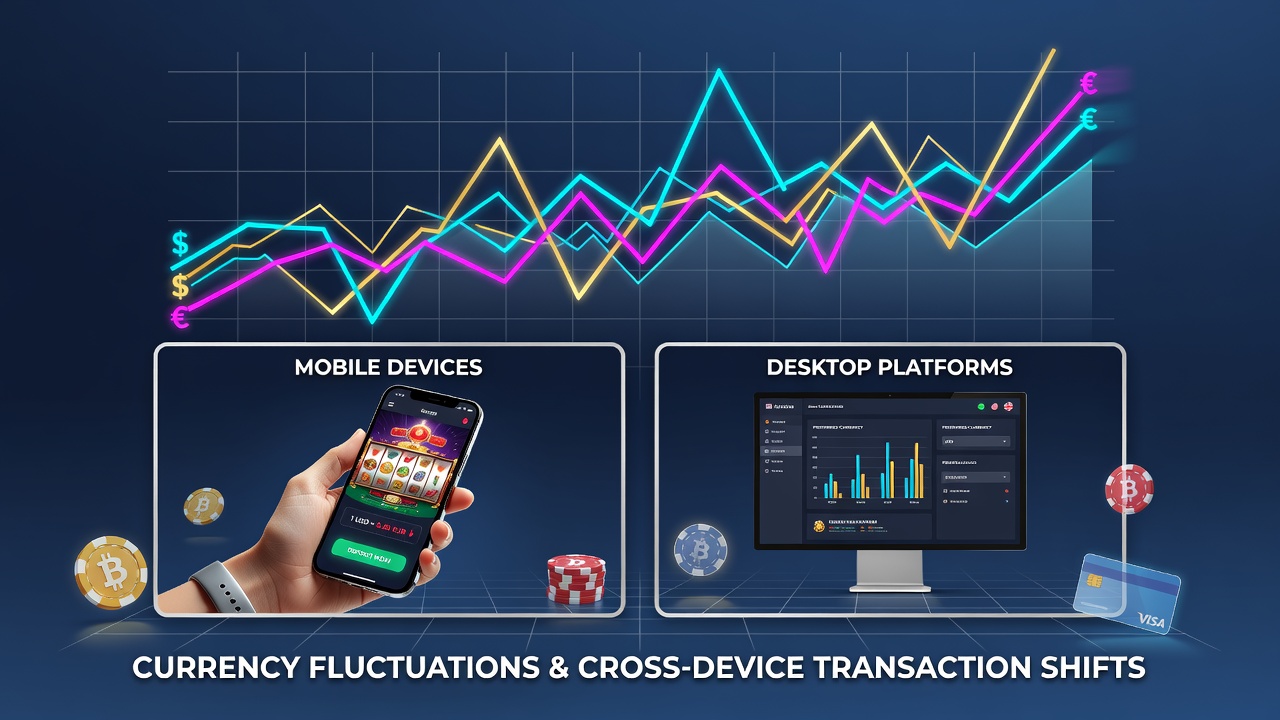
Global currency markets move constantly, and those movements shape how players on multi-device casino sites decide which payment methods to use. When exchange rates swing sharply, users often adjust their preferences toward options that minimize conversion losses or offer greater stability during transfers between mobile and desktop sessions. Research from the European Central Bank shows that major pairs like EUR/USD and GBP/USD experienced volatility spikes exceeding 8 percent in several quarters leading into 2026, prompting measurable changes in transaction behavior across licensed platforms.
Patterns Emerging from Rate Shifts
Observers tracking international gaming traffic note that periods of rapid depreciation in local currencies correlate with increased adoption of stablecoins and USD-pegged options. One study released by the University of Melbourne's Centre for Gambling Research found that Australian players increased crypto deposit volumes by 22 percent during the first half of 2026 when the AUD weakened against the USD. Those same users maintained higher average session lengths on mobile apps when balances were held in less volatile instruments, suggesting the preference extends beyond simple deposits to ongoing play across devices.
What's interesting is how these patterns differ by region. European users frequently shift toward e-wallets denominated in EUR during periods when the euro strengthens against emerging market currencies, while players in parts of Asia demonstrate stronger movement toward blockchain-based transfers when local fiat faces downward pressure. Data compiled by the Asia Pacific Association of Gaming Regulators indicates that such shifts occurred consistently across multiple jurisdictions during the spring and early summer of 2026.
Cross-Device Behavior Under Volatility
Transaction preferences rarely stay confined to a single device. Users who begin a session on desktop often complete deposits or withdrawals on mobile once they identify favorable rate windows, and platforms that support seamless balance syncing see higher completion rates during volatile periods. Analysts at the International Gaming Standards Association reported that sites offering real-time currency conversion displays recorded a 15 percent rise in cross-device transaction attempts between March and July 2026 compared with the same interval in 2025.
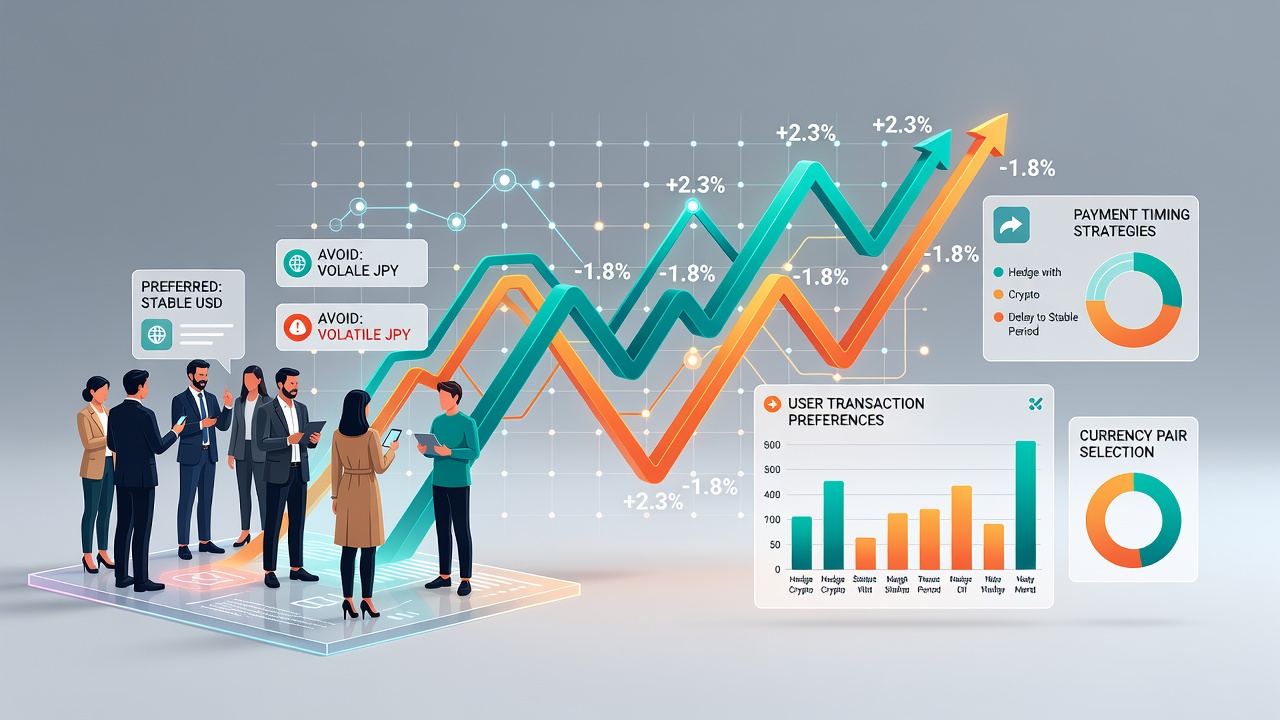
Those who've examined session logs observe that mobile users tend to favor instant payment rails such as certain digital wallets when exchange rates move quickly, because they can confirm the converted amount before the rate changes again. Desktop users, by contrast, show slightly higher tolerance for traditional bank transfers when they can monitor rates over longer periods on larger screens. The difference narrows when platforms provide synchronized rate alerts across both environments.
Regional Regulatory Context and Market Data
Regulatory frameworks in different markets influence how quickly users can respond to currency movements. Malta's gaming authority and Canada's provincial regulators both require clear disclosure of conversion fees, which has led operators to surface multiple currency options more prominently. Figures from the Canadian Gaming Association reveal that platforms licensed in Ontario saw a 19 percent increase in stablecoin usage among international account holders between January and July 2026, coinciding with heightened volatility in several Latin American currencies.
Similar trends appear in reports from the Australian Communications and Media Authority, where operators noted that users from outside the region increasingly selected methods that lock in exchange rates at the moment of deposit rather than settlement. These choices reflect practical responses to market conditions rather than any single preference for technology itself.
Future Monitoring and Industry Tracking
Industry groups continue to collect data on how exchange rate patterns intersect with device usage and payment selection. The European Gaming and Betting Association has begun publishing quarterly snapshots that segment transaction data by currency pair volatility and device type. Early releases covering the second quarter of 2026 already show continued movement toward multi-currency wallets that allow users to hold balances in whichever denomination shows relative strength at a given time.
Conclusion
Currency fluctuation patterns produce observable shifts in how international users of cross-device casino platforms select and execute transactions. Evidence from regulatory disclosures, academic studies, and industry associations demonstrates that these adjustments occur across regions and device types, driven by the practical goal of managing conversion exposure during periods of market movement. Continued tracking through 2026 and beyond will clarify whether these behaviors stabilize or evolve further as both payment technologies and exchange conditions change.