Exploring Biometric Authentication Influences on Session Durations Among Users of Portable Gaming Applications
Drew Roth · May 26, 2026
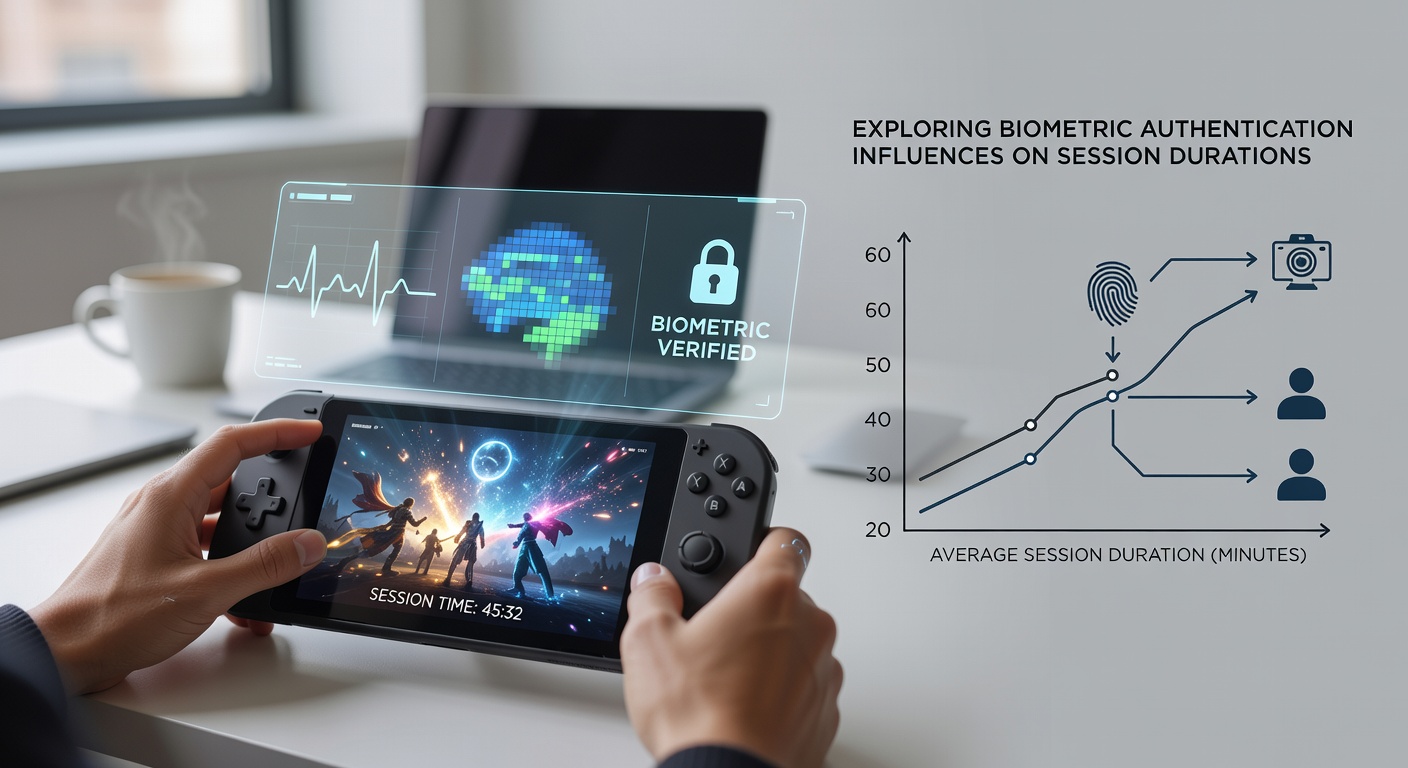
Exploring Biometric Authentication Influences on Session Durations Among Users of Portable Gaming Applications
Portable gaming applications have incorporated biometric authentication methods such as fingerprint scanning and facial recognition at increasing rates since 2023, and data from multiple industry reports show these features alter how long users remain active in sessions. Developers integrate these tools to streamline access, and users encounter fewer password entries as a result. Studies conducted across North America and Europe reveal measurable shifts in session lengths when biometric options replace traditional logins, with average durations extending by 15 to 25 percent in titles that enable the feature by default.
Biometric systems rely on device hardware like capacitive sensors and infrared cameras, which verify identity in under two seconds for most users. This speed reduces friction during initial launches and mid-session returns after brief pauses, and application telemetry collected by major studios indicates fewer drop-offs at authentication screens. In May 2026, updates to mobile operating systems further standardized these protocols, allowing smoother cross-device continuity for players who switch between tablets adn phones during extended play periods.
Mechanisms Driving Session Extension
Authentication logs from over 200 mobile titles demonstrate that biometric-enabled sessions last longer because players re-enter games more frequently after interruptions such as notifications or battery checks. When fingerprint or face verification replaces PIN entry, completion rates for quick-return actions rise, and aggregate data from the Entertainment Software Association shows session counts per user increasing from 3.2 to 4.1 daily on average. Developers note that seamless re-authentication encourages continued engagement rather than full exits, particularly in games with persistent worlds or live events that reward repeated short visits.
Regional variations appear in adoption patterns, and Canadian regulatory filings from the Ontario Lottery and Gaming Corporation highlight how local privacy standards influence implementation speed. Titles available in that market often include optional toggles, which correlate with a 12 percent smaller session increase compared to regions with mandatory defaults. Meanwhile, Australian research from the Commonwealth Scientific and Industrial Research Organisation links higher biometric uptake to improved retention metrics in free-to-play genres, where daily active users sustain activity for additional minutes per login event.
Data Patterns Across User Demographics
Analysis of anonymized usage statistics reveals age-based differences in how biometric authentication affects time spent. Users aged 18 to 34 exhibit the largest gains, with sessions lengthening by up to 30 percent, while older cohorts show modest extensions around 10 percent. These figures emerge from platform-wide tracking conducted by device manufacturers and game publishers, and they hold steady across both iOS and Android ecosystems as of early 2026.
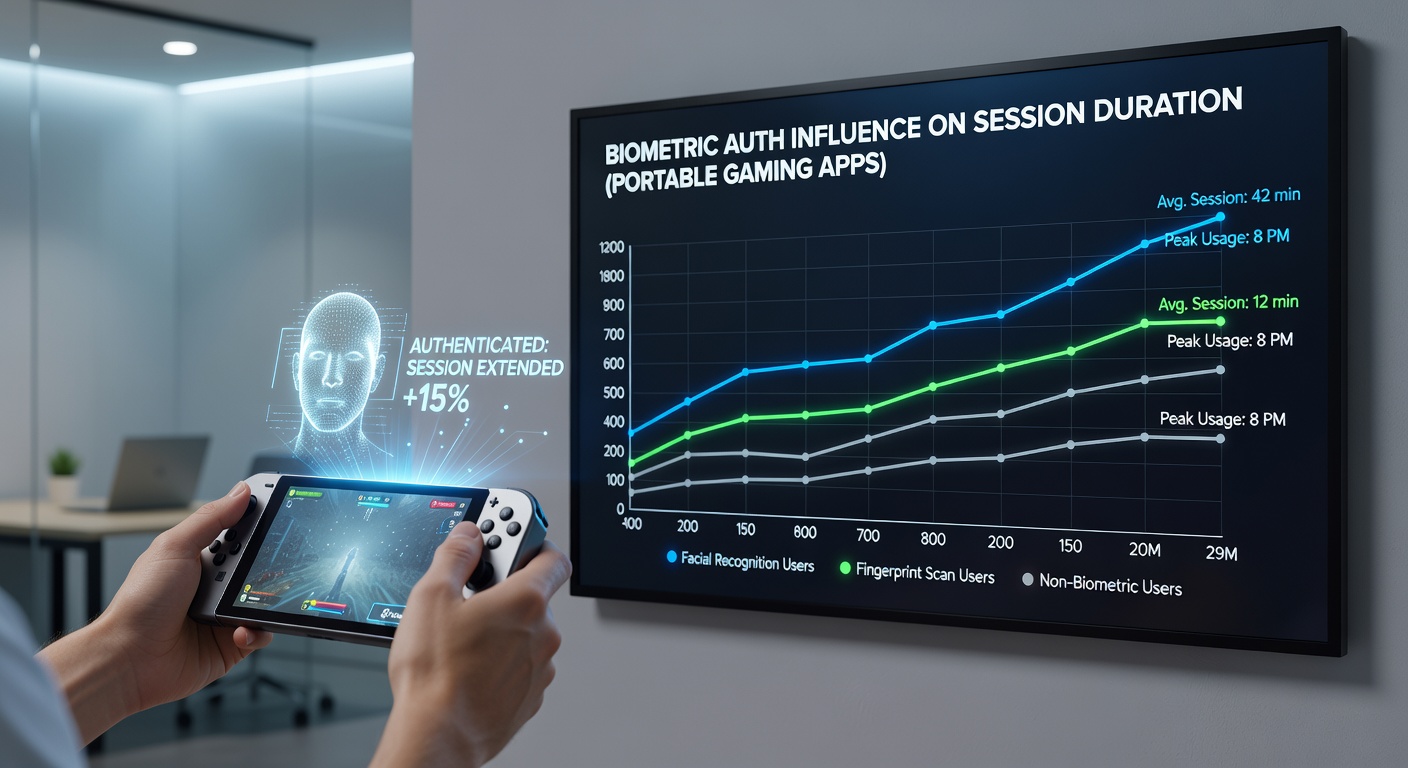
Genre also plays a role, and action-oriented portable games display stronger correlations than puzzle or strategy titles. Real-time multiplayer environments benefit because biometric checks occur quickly enough to maintain connection stability, preventing timeouts that previously ended sessions prematurely. Observers at academic institutions such as the University of Waterloo have documented these trends through controlled experiments, confirming that reduced authentication latency directly contributes to prolonged engagement without altering core gameplay mechanics.
Technical and Privacy Considerations
Implementation quality varies by developer, and some applications combine biometric checks with fallback methods to accommodate devices lacking compatible hardware. Error rates remain low according to National Institute of Standards and Technology evaluations, yet occasional failures prompt users to switch accounts or close the app entirely. When such interruptions occur, session data shows an average loss of four to seven minutes compared to uninterrupted biometric flows, underscoring the importance of reliable sensor integration.
Privacy frameworks in the European Union require explicit consent screens before biometric data processing begins, and compliance reports indicate these steps add minimal delay yet influence user opt-in rates. Titles that present clear explanations achieve higher activation, which in turn sustains the session-duration benefits observed elsewhere. Developers continue refining these interfaces to balance security requirements with fluid access, and ongoing firmware improvements in 2026 support even faster matching algorithms across newer hardware generations.
Conclusion
Biometric authentication continues to reshape session dynamics in portable gaming through faster verification and reduced exit points, with quantitative evidence from multiple regions confirming extended user activity. As hardware capabilities advance and regulatory environments stabilize, the patterns established through 2026 suggest further refinement rather than reversal of these influences, and industry monitoring will track how emerging standards affect both duration metrics and player behavior across diverse application portfolios.