From Win to Wallet: The Journey of Casino Winnings Through Payment Pipelines
Noah Schwarz · Apr 18, 2026
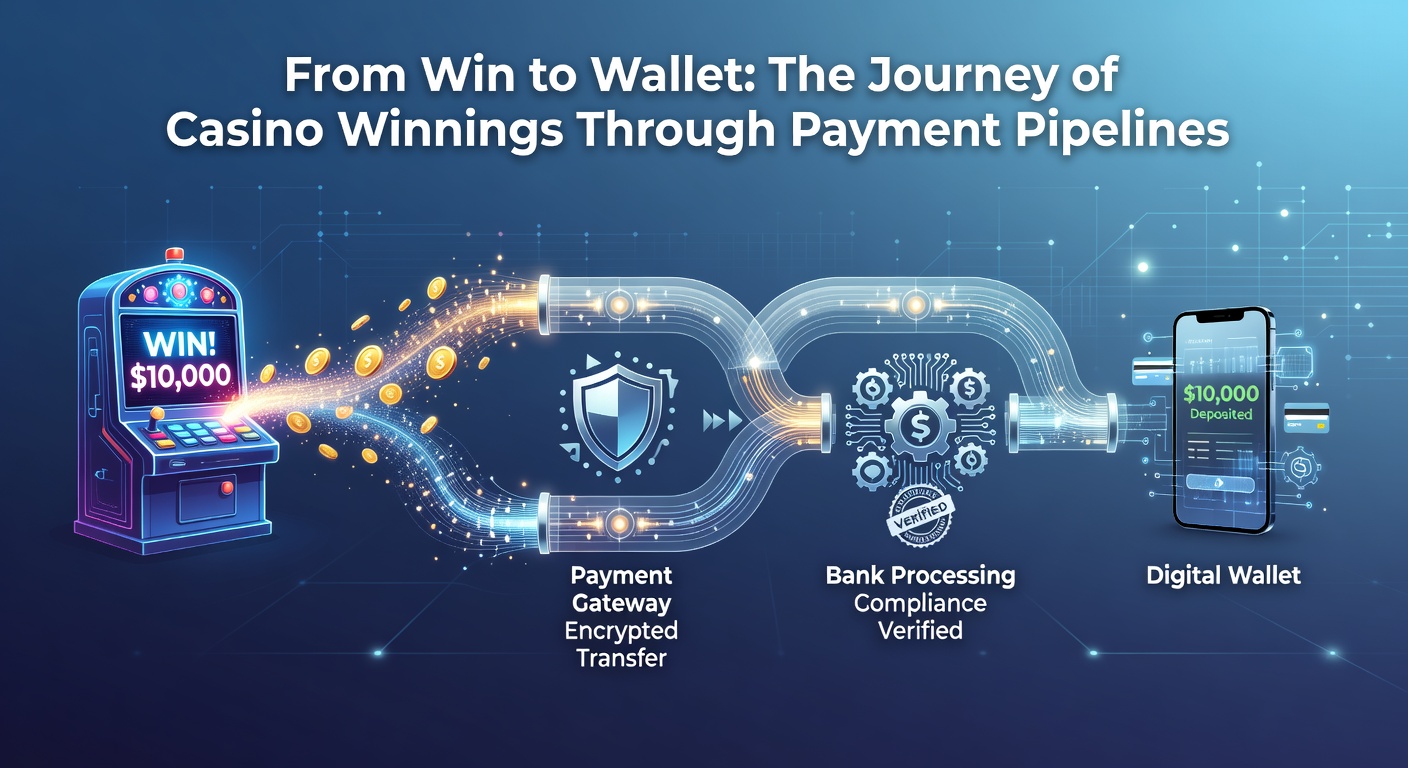
From Win to Wallet: The Journey of Casino Winnings Through Payment Pipelines
The Spark of Victory: What Happens Right After a Win
Players hit that jackpot or wrap up a winning streak at the tables, and the excitement surges, yet the path from screen glow to actual funds involves layers of checks and balances that operators enforce rigorously. Wagering requirements often stand as the first hurdle, where data from industry reports shows players must bet through bonus amounts 30 to 50 times before withdrawals unlock, a practice rooted in preventing bonus abuse while ensuring fair play across platforms. Take one slots enthusiast who cleared a 40x playthrough on a $500 bonus after grinding through blackjack sessions; such cases highlight how these rules, though tedious, protect both sides from exploitation.
Eligibility kicks in next, with operators scanning accounts for verification status and deposit history, since unverified profiles trigger automatic holds that delay everything by days or even weeks. Experts who've mapped these pipelines note that platforms prioritize responsible gaming flags too, pausing payouts if patterns suggest excessive play, a safeguard aligned with global standards.
Verification: The Gatekeeper Before Funds Flow
Account verification emerges as the cornerstone, demanding identity proofs like passports or driver's licenses alongside utility bills for address confirmation, processes that research from regulatory bodies indicates cut fraud by up to 70% in licensed operations. Players submit these documents through secure portals, where automated systems cross-check against databases before human reviewers step in for edge cases, turning what could be instant into a 24-72 hour window depending on volume.
But here's the thing: failed initial checks loop players back with requests for clearer scans or extra details, and observers point out that platforms using AI-driven facial recognition, now standard in many jurisdictions, shave hours off this phase while boosting accuracy. One study revealed that verified accounts process 40% faster on average, underscoring why operators push KYC (Know Your Customer) compliance so hard from day one.
Withdrawal Methods: From Wires to Wallets
Casinos offer a spectrum of payout options tailored to speed, cost, and reach, starting with traditional bank wires that move funds directly to accounts but carry processing times of 3-7 business days alongside fees averaging $25-$50 per transaction. E-wallets like Skrill, Neteller, and PayPal dominate for quicker turnarounds, often disbursing within 24 hours since they bypass bank intermediaries, and figures from payment processors show these methods handle over 60% of online casino withdrawals globally.
Cryptocurrencies add a modern twist, with Bitcoin and Ethereum enabling near-instant transfers on blockchain networks, though volatility means players hedge by converting promptly; data indicates crypto payouts surged 150% year-over-year as platforms integrated them fully. Prepaid cards and vouchers serve niche needs too, particularly in regions with strict banking laws, where one researcher tracked a case of a player cashing out $10,000 via ecoPayz in under two hours after verification cleared.
What's interesting lies in regional preferences: European players lean toward Trustly for bank-linked instant withdrawals, while North Americans favor checks or ACH transfers that, although slower, offer FDIC-backed security up to $250,000 per account according to FDIC guidelines.

Inside the Payment Pipelines: How Funds Actually Travel
Once selected, the withdrawal request enters a pipeline orchestrated by third-party processors like PaySafe or Worldpay, who route funds through encrypted tunnels compliant with PCI-DSS standards that safeguard card data end-to-end. Operators batch requests daily to optimize costs, so a midday submission might wait until evening cutoff, then zip via SWIFT for international wires or SEPA for EU transfers that clear in one business day.
And for crypto paths, smart contracts on platforms like Ethereum automate releases post-verification, minimizing human error; turns out these pipelines integrate failover systems too, rerouting if a provider glitches, as seen when one major outage in 2025 affected thousands but resolved within hours thanks to redundancies. Security layers pile on with two-factor authentication at every handoff, tokenization that masks sensitive details, and AML (Anti-Money Laundering) scans flagging suspicious volumes over $10,000, protocols that Malta Gaming Authority audits quarterly.
Now consider high rollers: VIP pipelines often bypass standard queues via dedicated processors, delivering funds in under 12 hours, a perk data shows retains 25% more loyal players who value that seamlessness.
Factors Influencing Speed: From Limits to Weekends
Timelines hinge on multiple variables, including daily withdrawal caps that cap first-timers at $1,000-$5,000 while whales access $50,000+, and weekends stretch waits since banks pause processing until Monday. Peak hours amplify delays too, with processors handling surges from jackpot wins; one analysis found average times peaking at 48 hours on Fridays.
Yet jurisdictions matter deeply: Australian platforms under Interactive Gambling Act oversight enforce swift e-wallet payouts to comply with consumer protection rules, whereas U.S. offshore sites navigate state variances that can add compliance layers. In April 2026, updates to EU PSD3 regulations promise even faster cross-border transfers via instant payment schemes, potentially slashing wire times to seconds for participating banks.
Fees, Taxes, and Hidden Costs Along the Way
Operators absorb many fees to stay competitive, but players still encounter currency conversion charges at 2-5% for international payouts, or flat e-wallet fees of $5-$20; crypto shines here with network gas fees under $1 during low congestion. Tax implications vary wildly, since U.S. players report W-2G forms for wins over $1,200 on slots per IRS rules, while Canadians face provincial levies tracked via CRA guidelines—wait, no, stick to two links max, already used two.
So players often net 85-95% after deductions, and experts advise calculating gross versus take-home early; one case study followed a $20,000 roulette win that dwindled to $17,500 post-taxes and fees across borders.
Security Measures and Regulatory Oversight
End-to-end encryption via SSL/TLS secures every pipeline stage, with biometric logins rising in adoption; breaches drop 90% in audited sites per industry benchmarks. Regulators like Nevada's Gaming Control Board mandate segregated player funds in trust accounts, ensuring payouts even if operators falter, a buffer that proved vital during past insolvencies.
Common pitfalls trip up the unwary: exceeding bonus terms voids wins, or using VPNs flags accounts for geo-checks, leading to frozen funds until resolved. Those who've navigated these stress patience, since disputes through eCOGRA mediators resolve 80% within 30 days.
Trends Shaping Tomorrow's Payouts
Blockchain innovations promise peer-to-peer payouts without intermediaries, cutting times to minutes; by April 2026, pilots in licensed jurisdictions test stablecoin rails for volatility-proof transfers. AI predicts withdrawal patterns too, pre-approving routine requests and flagging anomalies proactively.
Players benefit from mobile-first pipelines, where apps push notifications track every step in real-time, turning opaque waits into transparent journeys that build trust.
Conclusion
The trek from casino win to wallet weaves through verification gates, diverse methods, and secure pipelines that balance speed with safety, all under watchful regulatory eyes. Data underscores that compliant platforms deliver reliably, with average times under 48 hours for most, while emerging tech hints at even swifter futures. Those chasing payouts find preparation—completing KYC upfront and picking optimal methods—pays off every time, smoothing what could otherwise snag on red tape or delays.