Mapping Player Retention Patterns Against Customized Loyalty Tier Adjustments in Multi-Jurisdictional Digital Gaming Environments
Tina Russell · Jun 4, 2026
Mapping Player Retention Patterns Against Customized Loyalty Tier Adjustments in Multi-Jurisdictional Digital Gaming Environments
Operators across digital gaming platforms track retention patterns by measuring session frequency, deposit intervals, and engagement duration while adjusting loyalty tiers to match observed behaviors. These adjustments occur through algorithms that recalibrate reward levels based on individual activity logs collected over set periods. In multi-jurisdictional settings the process incorporates varying regulatory requirements that dictate data handling and bonus structures.
Retention Data Collection Across Platforms
Platforms gather retention metrics through integrated tracking systems that log login timestamps, game selection sequences, and transaction histories. Researchers at academic institutions such as the University of Nevada, Reno have examined how these datasets reveal clusters of players who maintain consistent activity for six months or longer when tier benefits align with spending velocity. Data shows that retention rates climb when operators shift players into higher tiers after three consecutive months of elevated play rather than waiting for annual reviews.
Jurisdictions impose different rules on how long operators must retain raw data before anonymization, which affects the granularity available for pattern analysis. In Canada the Alcohol and Gaming Commission of Ontario requires operators to maintain transaction records for five years, allowing deeper longitudinal studies of loyalty adjustments. Platforms operating in multiple regions therefore segment their databases to comply while still generating unified retention reports for internal strategy.
Customized Tier Mechanics and Player Segmentation
Loyalty tiers typically feature progressive benefits including cashback percentages, exclusive event access, and personalized game recommendations. Operators customize these tiers by feeding retention data into machine learning models that predict churn probability within 30 days. When models flag a drop in session length, systems automatically elevate certain players to intermediate tiers with targeted deposit matches. This approach keeps adjustments responsive without requiring manual intervention for every account.

Segmentation often divides players into groups based on geographic location because regulatory caps on bonus values differ. For instance, Australian operators must adhere to limits set by state gaming authorities while European platforms follow EU consumer protection guidelines that influence reward scaling. The result is tier structures that vary by player passport country even within the same platform ecosystem.
Cross-Border Regulatory Influences on Adjustments
Multi-jurisdictional environments require operators to reconcile conflicting rules around player incentives. Singapore's Casino Regulatory Authority mandates clear disclosure of tier qualification criteria, which forces platforms to publish exact thresholds for advancement. Meanwhile New Jersey Division of Gaming Enforcement focuses on responsible gaming flags that can pause tier progression for flagged accounts. Operators map these constraints into their adjustment engines so automated changes remain compliant across borders.
Reports from the International Center for Gaming Regulation at the University of Nevada indicate that platforms active in both Asian and North American markets see retention improvements when they apply jurisdiction-specific cooldown periods before tier downgrades. The practice prevents sudden loss of benefits that could accelerate churn among cross-border players who travel frequently.
Analytical Mapping Techniques Used by Operators
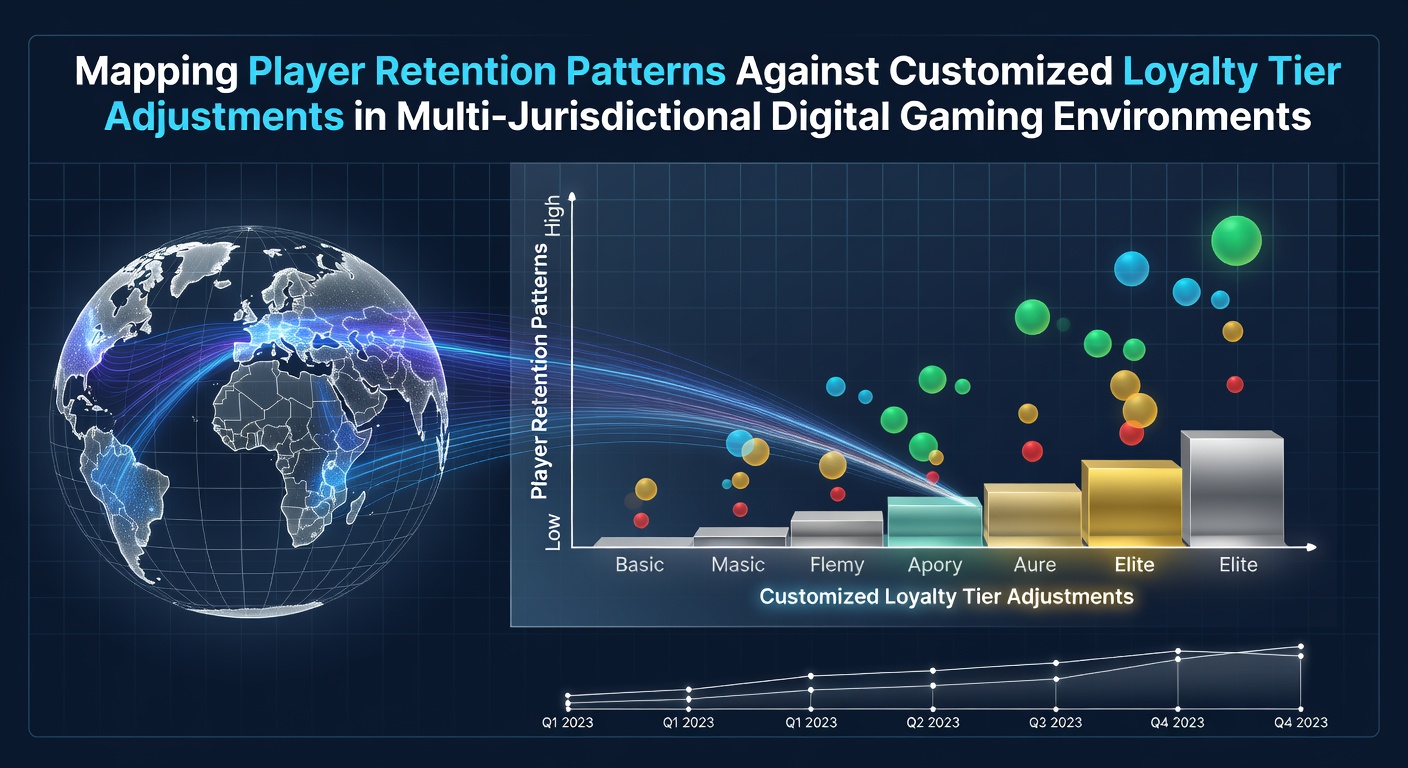
Teams employ heat maps and cohort analysis to overlay retention curves against tier change dates. These visualizations highlight whether an upward adjustment coincides with sustained activity or merely produces a temporary spike. Platforms also run A/B tests where one cohort receives immediate tier elevation while a control group waits for standard review cycles. Results feed back into the models to refine future mappings.
June 2026 saw several major operators release updated dashboards that integrate real-time regulatory change alerts from multiple jurisdictions. The tools allow analysts to pause tier adjustments automatically when new rules take effect in a given region. Such features reduce compliance risk while maintaining the accuracy of retention predictions.
Implementation Challenges and Technical Integration
Integrating retention mapping with tier systems across borders demands robust API connections between gaming engines, payment processors, and compliance databases. Latency issues arise when data must route through servers located in different regulatory zones. Operators address this by maintaining mirrored datasets with synchronized update protocols that respect each jurisdiction's data residency rules.
Those who manage these systems note that smaller operators often partner with third-party providers to access the necessary analytical horsepower. Larger groups maintain in-house teams that continuously validate mapping accuracy against live player cohorts. Both approaches require ongoing calibration because player behavior shifts with new game releases and promotional calendars.
Conclusion
Mapping retention patterns against customized loyalty tiers in multi-jurisdictional digital gaming environments involves coordinated data collection, regulatory alignment, and responsive algorithmic adjustments. Platforms that maintain accurate cross-border segmentation and comply with regional disclosure rules demonstrate measurable differences in long-term player activity. Continued refinement of these techniques remains central to operational strategy as regulatory landscapes evolve through 2026 and beyond.