Regulatory Licensing Shifts Reshape Payment Gateway Setups in New Digital Casino Markets
Leon Schröder · Aug 27, 2026
Regulatory Licensing Shifts Reshape Payment Gateway Setups in New Digital Casino Markets
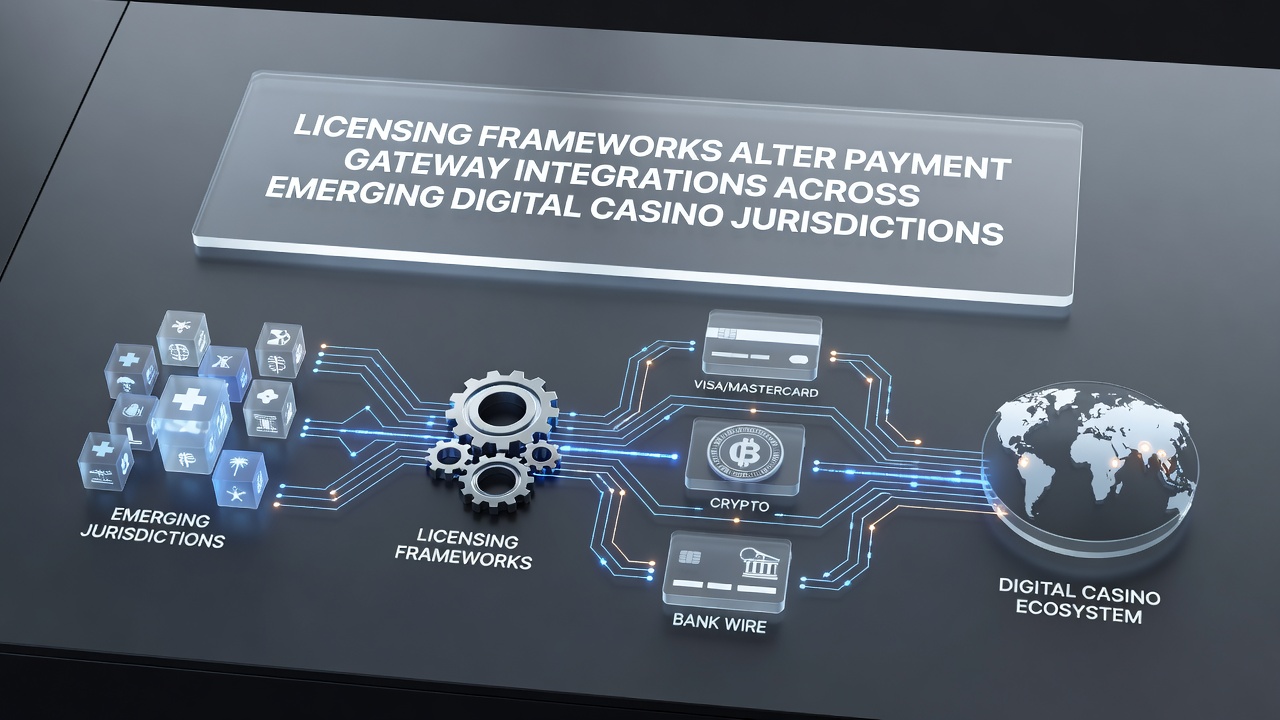
Emerging digital casino jurisdictions continue to update their licensing requirements, and these changes directly influence which payment gateways operators can integrate into their platforms. Data from regulatory filings shows that new frameworks often mandate specific transaction verification protocols, currency handling rules, and provider certifications before any gateway activation occurs. In several Latin American markets that opened regulated online gaming in 2025, licensing bodies now require gateways to support real-time reporting to central tax systems, which forces operators to replace earlier integrations with compliant alternatives.
Key Licensing Elements Driving Gateway Adjustments
Observers note that licensing applications in places such as Brazil and several Canadian provinces demand evidence of gateway partnerships with providers that hold local financial licenses or meet cross-border data standards set by regional banking authorities. These requirements appear in updated application checklists released during the first half of 2026, and they differ from older frameworks that accepted any internationally recognized processor without additional local validation. As a result, operators must audit existing contracts and often switch to gateways that already maintain the necessary regional approvals.
Regional Variations in Compliance Demands
According to reports from the Malta Gaming Authority, jurisdictions adopting digital casino regulations in 2026 increasingly tie license renewal to ongoing gateway performance metrics, including average settlement times and dispute resolution rates. In contrast, frameworks emerging in parts of Africa and Southeast Asia focus more on anti-money laundering integration, requiring gateways to embed automated screening tools that align with local financial intelligence units. These differences create distinct technical specifications that payment providers must meet before operators receive final approval to launch services.
Figures released by the Canadian Gaming Association in mid-2026 indicate that provinces with newer licensing regimes experienced a 34 percent increase in gateway certification applications compared with the previous year. The data points to operators seeking providers that already comply with both federal banking rules and provincial gaming standards, reducing the time between license grant and platform launch.
Technical Integration Challenges Under New Rules
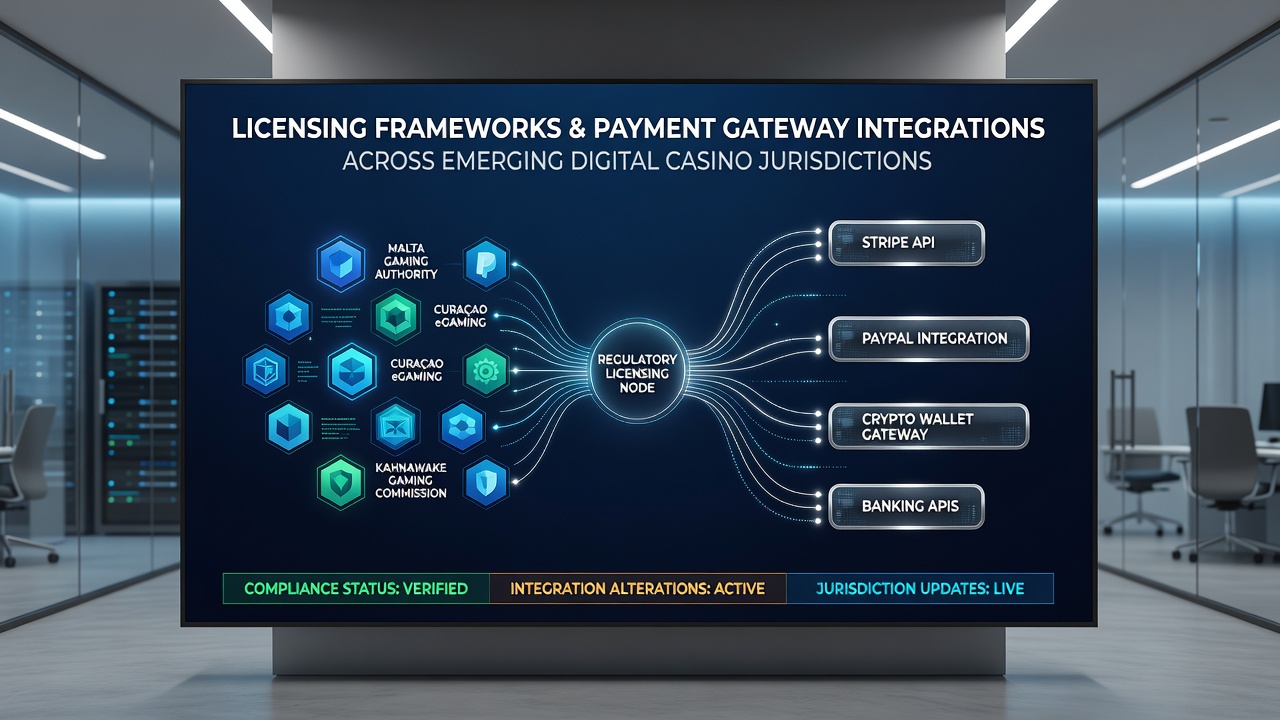
Operators report that updated licensing conditions frequently require additional API layers for transaction monitoring, and these layers must connect directly to government oversight portals. In practice this means development teams spend extra weeks mapping data fields, testing encryption standards, and documenting audit trails before gateways can process live deposits or withdrawals. Research from industry associations shows that projects involving multiple emerging jurisdictions now allocate 25 to 40 percent of their technical budget to compliance-related gateway work rather than user-facing features.
Payment providers that operate across borders have responded by creating modular compliance packages, allowing operators to activate only the modules required by each specific license. This approach reduces redundant coding while still satisfying the distinct reporting obligations found in each jurisdiction's framework. Those who have studied the rollout patterns note that providers offering such flexibility secured a larger share of new contracts during the second quarter of 2026.
Impact on Transaction Flows and Settlement Times
Settlement timelines shift when licensing frameworks impose local currency conversion rules or mandate that funds clear through domestic banks before reaching operators. In several cases documented by regulatory submissions, average payout processing extended from two days to five or six days during the transition to new gateway setups. Yet operators that pre-certified gateways with local banking partners managed to keep times closer to previous benchmarks, according to aggregated industry statistics shared at the 2026 International Gaming Summit.
Emerging frameworks also introduce restrictions on certain payment methods, particularly those involving cryptocurrency, unless the gateway includes licensed custody solutions registered with national financial regulators. Data collected through August 2026 shows a measurable drop in crypto deposit volumes in jurisdictions that enacted these limits, while fiat-based gateway usage rose correspondingly.
Conclusion
Licensing frameworks in emerging digital casino markets continue to evolve, and each update carries direct consequences for payment gateway selection and integration. Regulatory bodies across different regions impose distinct technical, reporting, and certification requirements that shape which providers operators can use and how quickly platforms can reach full functionality. Observers tracking these developments through 2026 see a clear pattern: operators that align gateway choices with the specific demands of each licensing regime achieve faster approvals and more stable transaction processing. As additional jurisdictions finalize their rules, the relationship between licensing conditions and payment infrastructure remains central to operational planning.